PS Mang’eni seeks approval to regularise Sh3.57 billion spent on NYOTA project
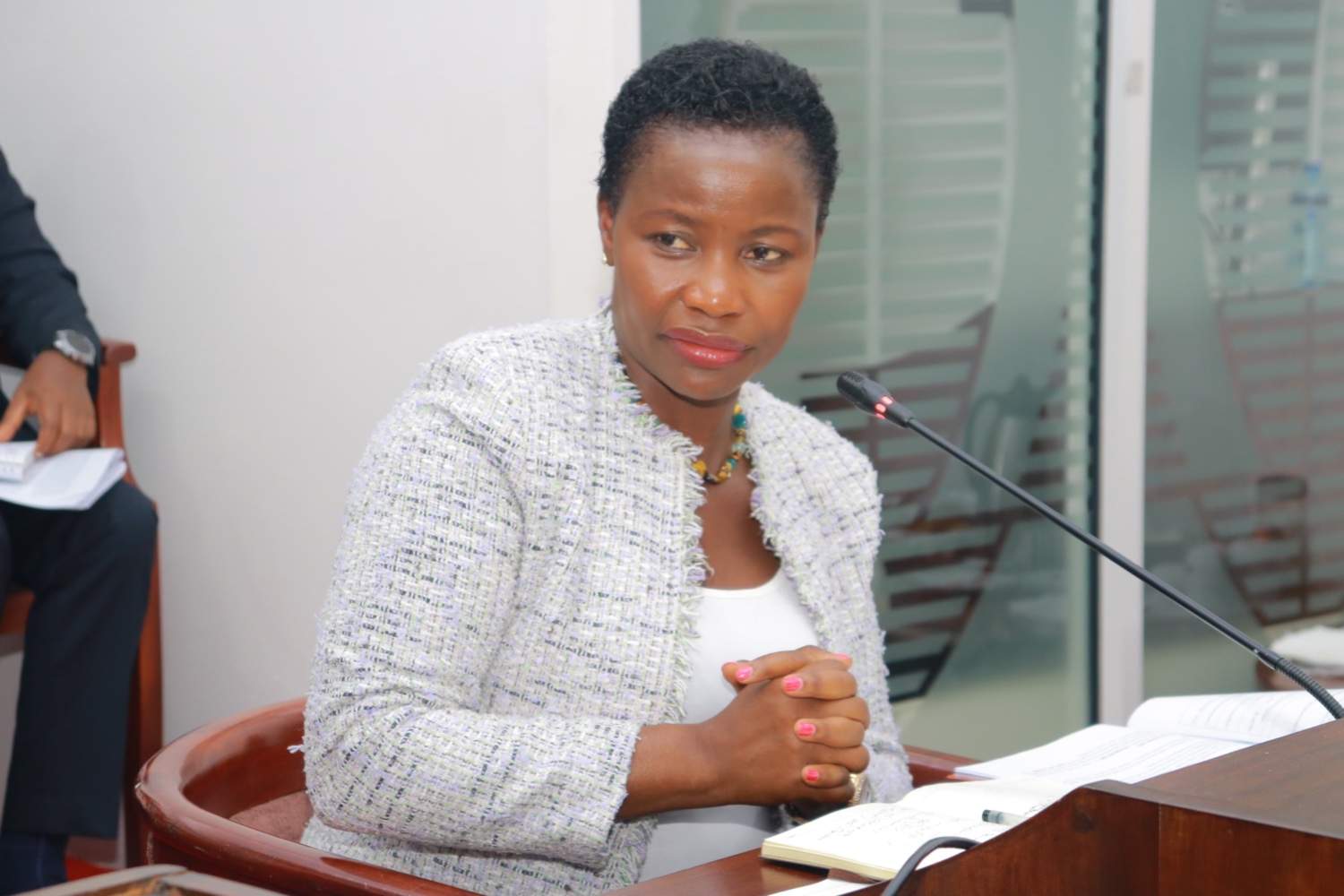
Appearing before the Committee on Trade, Industry and Cooperatives, Principal Secretary Susan Mang’eni explained that the funds were withdrawn under Article 223 of the Constitution and must now be formally approved through Supplementary Estimates No.1 for the 2025/26 financial year.
The State Department for Micro, Small and Medium Enterprises (MSME) Development has sought Parliament’s approval to regularise Sh3.57 billion already spent under the National Youth Opportunities Towards Advancement (NYOTA) programme, a youth empowerment initiative targeting entrepreneurs across the country.
Appearing before the Committee on Trade, Industry and Cooperatives, Principal Secretary Susan Mang’eni explained that the funds were withdrawn under Article 223 of the Constitution and must now be formally approved through Supplementary Estimates No.1 for the 2025/26 financial year.
Mang’eni told MPs that the programme had received additional funds to support youth enterprises through start-up capital and mentorship programmes.
“The NYOTA project received an additional Sh3,577,812,549.81 under Article 223 of the Constitution to be regularised during the finalisation of Supplementary Estimates No. 1,” said Mang’eni.
Mang’eni noted that the draft supplementary estimates did not fully capture the amount spent under the programme.
“However, the draft supplementary estimates have captured only Sh3,377,800,000, resulting in an understatement of Sh200 million,” she said.
“Given that the full allocation has already been expended for the intended purposes, we request the inclusion of the understated Sh200 million in the Supplementary Estimates to ensure full regularisation of the expenditure in accordance with Article 223 of the Constitution,” she added.
Mang’eni also disclosed that the first withdrawal of funds for the programme had already been made earlier this year to support youth businesses.
“The first withdrawal was made on January 8, 2026, amounting to Sh807,920,389.15 for the National Youth Opportunities Towards Advancement (NYOTA) project,” she said.
According to the PS, the funds were used to support the rollout of start-up grants for beneficiaries across the country.
“The funds withdrawn under the NYOTA project were utilised as part of the disbursement of the first tranche of start-up grants to NYOTA business support beneficiaries across the country,” she said.
Mang’eni said the programme is designed to empower young people through financial support and enterprise development opportunities.
“The NYOTA project targets to empower vulnerable youth across all the 1,450 wards in the 290 constituencies through the business support component,” she said.
“The youth have since been trained and received the first instalment of business start-up capital of Sh25,000, out of which Sh3,000 goes towards their savings,” Mang’eni told the committee.
Beyond direct financial support, the programme has also created employment opportunities through training and mentorship programmes.
“Beyond the direct beneficiaries, the project has generated significant indirect employment opportunities. A total of 44 firms were contracted to deliver Business Development Services (BDS) training across the country,” she said.
Mang’eni further revealed that the programme has mobilised thousands of trainers and mentors to support youth businesses.
“These firms engaged 3,633 graduate-level BDS trainers (54 per cent female and 46 per cent male) and have also engaged 5,500 mentors to support the youth beneficiaries,” she said.
The PS told MPs that the next phase of the programme will involve releasing the second tranche of start-up capital to thousands of beneficiaries after the completion of mentorship and training.
“The project targets to disburse the second instalment of start-up capital to the 121,800 beneficiaries under the Business Support component by the end of April, after the ongoing mentorship and scheduled second Business Development Services classroom training,” she said.
In addition to the NYOTA programme, the supplementary estimates also include adjustments to other MSME development programmes that the PS said aim to improve business growth and market access.
According to the budget summary presented to the committee, recurrent expenditure for MSME programmes will increase by Sh225.29 million, raising the total allocation from Sh2.031 billion to Sh2.256 billion.
Mang’eni said part of the increase will support the East African Community (EAC) MSME Trade Fair, which promotes regional trade and market access for small businesses.
“The Promotion and Development of MSMEs programme under the Micro, Small and Medium Enterprises sector has been allocated Sh90 million for the EAC trade show,” she said.
However, the PS also noted that funding for the Centre for Entrepreneurship Project had been reduced due to implementation delays.
“The Centre for Entrepreneurship Project allocation was reduced by Sh500 million due to delays in the recruitment of the project implementation consultant, a conditional requirement for the rollout of the project,” Mang’eni said.
She explained that the delay had been caused by disagreements between the State Department and development partner KfW regarding the project’s budget lines.
“The delays in onboarding the consultant have been occasioned by differing interpretations between the State Department and KfW regarding the applicable budget lines,” she said.
Mang’eni added that the State Department is currently engaging the National Treasury to resolve the issue and unlock the project.

Comments
Sign in with Google to comment, reply, and like comments.
Continue with Google